Guest blog by Lisa Whittleton
I don’t know about you, but at this time of year my energy levels are so depleted, and I just feel fatigued a lot of the time despite trying to maintain a healthy routine and keep active.
There are several reasons for this ‘February fatigue’, specifically within the legal and IP sectors. The adrenaline of January deadlines, client renewals and strategic planning pressures has worn off which increases the likelihood of burnout. Also, days are still short and cold, and the caseload hasn’t eased. Many legal professionals describe February as the point where their energy finally bottoms out, not because they’re doing anything “wrong”, but because the conditions are stacked against them.
Being more aware of why this dip happens can help us to be kind to ourselves by acknowledging this is normal and more importantly can help us identify ways of rebuilding our energy.
The science behind seasonal dips
- Reduced daylight affects circadian rhythms, which regulate sleep, mood and cognitive sharpness.
- Lower serotonin levels are common in winter months, contributing to low motivation and irritability.
- Cumulative fatigue from January’s intensity hits and the ‘fresh start’ effect wears off around weeks 5–6 of the year. February can feel heavier even though workload may not have changed.
- Burnout risk is increased as research shows that exhaustion peaks after periods of intense effort — not during them.
For those in the legal and IP professions, whose work demands sustained concentration, emotional regulation and rapid decision‑making, these dips can be more severe so effectively you are using more energy to achieve the same output.
How perfectionism and billable‑hour culture amplify fatigue
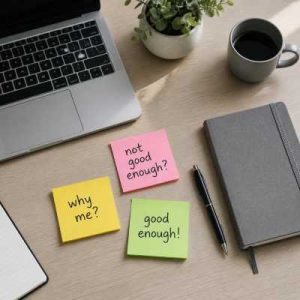
- Perfectionism: Many professionals within law/IP hold themselves to a standard where “good enough” feels like failure. In February, when cognitive energy is lower, perfectionism becomes even more draining.
- Billable‑hour pressure: When time literally equals value, taking breaks can feel like a luxury rather than a necessity so even though our bodies need more time to rest, this just does not feel possible.
- Client expectations: Urgent emails, unpredictable workloads and emotionally charged cases leave little room for recovery.
- Unspoken norms: Junior team members often feel they must “push through” to prove commitment.
The result is a month where people feel tired but keep accelerating, a perfect recipe for burnout if left unchecked.
Micro‑habits that fit into ‘6-minute units’
You may not have the luxury of long breaks or slow days. So, the key is micro‑recovery and fitting in small, repeatable resets that protect energy without disrupting focus and workflow.
Here are 7 strategies to try out at work that are proven to boost and/or conserve your energy:
- 60‑second grounding Before a client call or big task: Inhale 4 → hold 2 → exhale 6. One minute of this controlled breathing is enough to steady your nervous system and sharpen your thinking.
- Case‑transition pause: Before opening the next document, take 30 seconds to unclench your jaw, drop your shoulders, and reset your posture.
- Email boundaries: Delay sending non‑urgent emails outside working hours to reduce the “always on” culture. Try scheduling them instead.
- Micro‑movement: Stretch for 10 seconds between tasks or meetings. Stand for the first minute of every call. Walk for the first five minutes of internal meetings. You could also try walking meetings using the phone rather than being glued to a Teams call.
- 5‑minute mental declutter List everything on your mind. Circle the top three priorities for the next 90 minutes. Park the rest. This reduces overload and helps you work intentionally, not reactively.
- Two‑minute “mental rinse” after difficult client interactions: jot down what happened, what you’re carrying emotionally, and one thing you’re letting go of.
Partner top tip: Modelling healthy boundaries
A partner of an IP startup shared two simple ways that they model healthy boundaries with their team and this has changed how they work:
“I realised my team would never switch off if I didn’t. I started leaving loudly and saying ‘I’m heading out now, see you tomorrow’. I also stopped emailing after 7pm, even if I was working. Within two weeks, the whole team’s behaviour shifted.”
Leaders set the tone more than any policy ever will. When partners and senior associates:
- take lunch away from their desks
- decline unnecessary late‑night calls
- speak openly about needing rest
- praise sustainable working, not heroic overworking
…teams feel permission to do the same.
Psychological safety isn’t just about speaking up, it’s about being able to rest without fear of judgement.
Be kind to yourself
Remember, February fatigue isn’t a personal failing. It’s a common, predictable dip in a profession that demands more energy than most. With small, intentional recovery habits and the help of leaders who model healthy boundaries, you can move through the month with more clarity, steadiness and resilience.
Further reading
- Sleep Research Foundation information about seasonal impact on sleep: https://sleepresearchfoundation.com/2025/12/18/how-winter-affects-your-sleep-the-science-behind-seasonal-sleep-changes/
- Stretches to do while seated at your desk: https://www.healthline.com/health/deskercise#arms
- Nearly 60% of lawyers report poor mental wellbeing, and half experience anxiety often or always. https://lawcare.org.uk/life-in-the-law/
- LawCare’s 2024 report showed a 35% increase in people seeking support, with stress and anxiety as top concerns . https://heyzine.com/flip-book/78a253a6ee.html#page/1
- Progressive muscle relaxation: https://www.verywellmind.com/how-do-i-practice-progressive-muscle-relaxation-3024400